


How Do Flexible Silicone Swimming Hand Fins Improve Your Natural Feel for the Water?

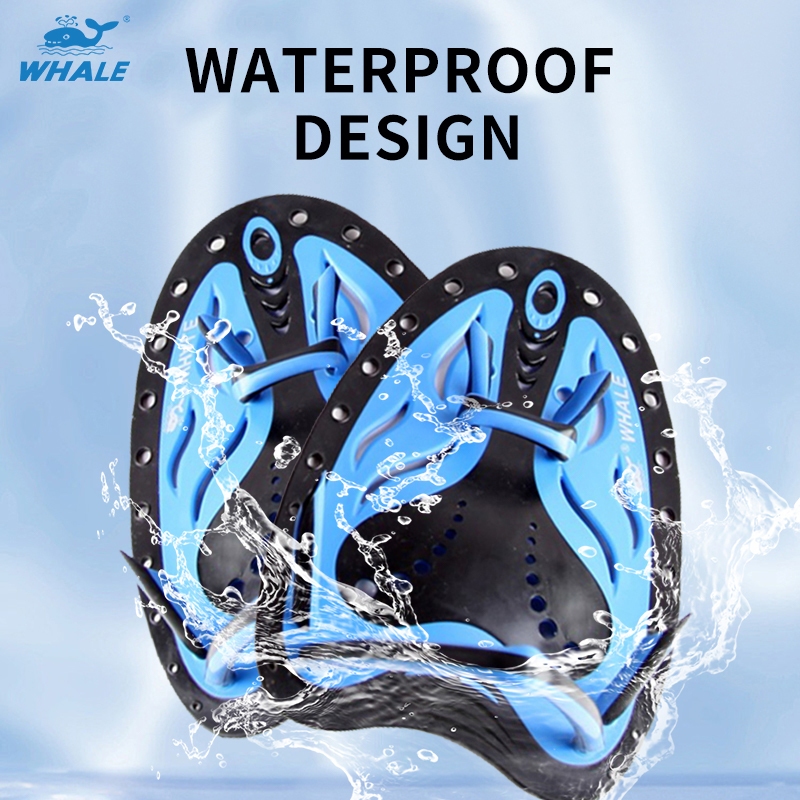
Swimming is a game of resistance and efficiency. Every athlete strives to move through water with less drag. However, mastering the “catch” phase of a stroke is difficult. Professional coaches often recommend specialized tools to help. Among these, silicone swimming hand fins have become a favorite.
These flexible fins do more than just add surface area. They bridge the gap between raw power and technical finesse. In this guide, we explore the sports science behind these fins. We will see how they protect your joints and improve performance. Let us dive into the mechanics of better swimming.
The Biomechanics of the “Catch” and “Pull”
In sports science, swimming propulsion relies on Newton’s Third Law. You push the water back to move forward. The hand and forearm act as a primary paddle.
Enhancing Surface Area Without Rigidity
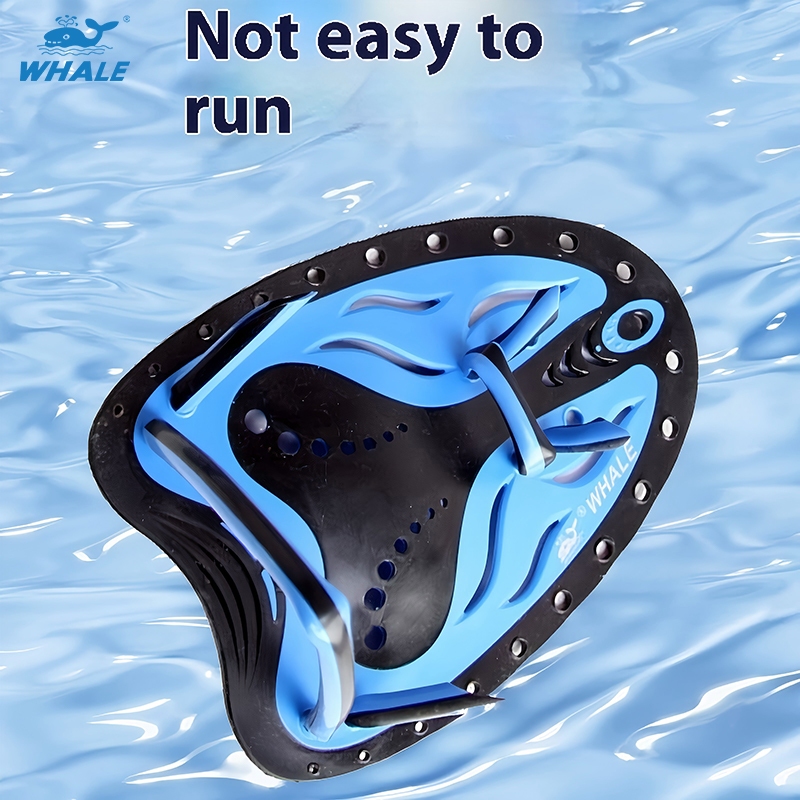
Traditional plastic paddles are very stiff. They often force the hand into unnatural positions. In contrast, silicone swimming hand fins offer a flexible alternative. The high-grade silicone mimics the natural movement of the palm. This flexibility allows you to “feel” the pressure changes in the water. It trains your brain to find the most efficient path.
Improving Propulsive Efficiency
Propulsive efficiency is the ratio of useful work to total work. A larger surface area increases the “water-holding” capacity of your hand. This means you move more water with every single stroke. Consequently, you travel further while using less total energy. This is a core goal for any endurance swimmer.
Protecting Joints: The Impact of Silicone on Physiology
Shoulder injuries are common in the swimming world. Rigid paddles often put extreme stress on the rotator cuff.
Reducing Peak Force on the Rotator Cuff
Stiff materials create an immediate, jarring resistance. This high “peak force” can strain the small tendons in the shoulder. However, silicone swimming hand fins act like a shock absorber. The material gives slightly as it enters the water. This gradual build-up of resistance protects the delicate shoulder joints. It allows for high-intensity training without the typical injury risks.
Strengthening Forearm and Hand Muscles
Using these fins engages the stabilizer muscles in the wrist. You must maintain a strong “early vertical forearm” (EVF) position. This strengthens the muscles needed for a powerful finish. Over time, this building of functional strength improves your naked-hand technique. You become a faster swimmer even when you remove the fins.
[Discover the latest professional swim gear benefits for competitive triathletes.]
Practical Case: Correcting “Dropped Elbow” Syndrome
A “dropped elbow” is a common technical flaw in freestyle. It occurs when the elbow leads the hand during the pull. This creates massive drag and reduces your speed.
The Feedback Loop Experiment
In a sports lab simulation, swimmers used flexible silicone fins. The fins increased the sensory feedback from the water. If a swimmer dropped their elbow, they felt an immediate loss of pressure. This “tactile cue” forced the swimmer to correct their form. Within weeks, the athletes maintained a high elbow position naturally. This proves that silicone swimming hand fins are excellent corrective tools.
Benefits Observed in Practice:
-
Faster Muscle Memory: The brain learns correct paths through increased drag.
-
Stroke Synchronization: It helps align the hand entry with the hip rotation.
-
Rhythm Improvement: The extra weight encourages a steady, rhythmic stroke rate.
Why Silicone is the Superior Material Choice
Not all swimming fins are created equal. Material science plays a huge role in your comfort and performance.
-
Hypoallergenic Properties: Medical-grade silicone is safe for sensitive skin.
-
Chlorine Resistance: It does not degrade or become brittle in pool water.
-
Ergonomic Fit: The soft material contours to different hand shapes easily.
-
Hydrodynamic Texture: Smooth surfaces reduce turbulent flow around the fingers.
Durability and Long-Term Value
Silicone maintains its shape for years of constant use. It resists UV damage if you swim in outdoor pools. Unlike rubber, it does not crack or lose its elasticity. This makes it a sustainable choice for serious athletes. You get a reliable training partner that lasts for many seasons.
Integrating Fins into Your Training Routine
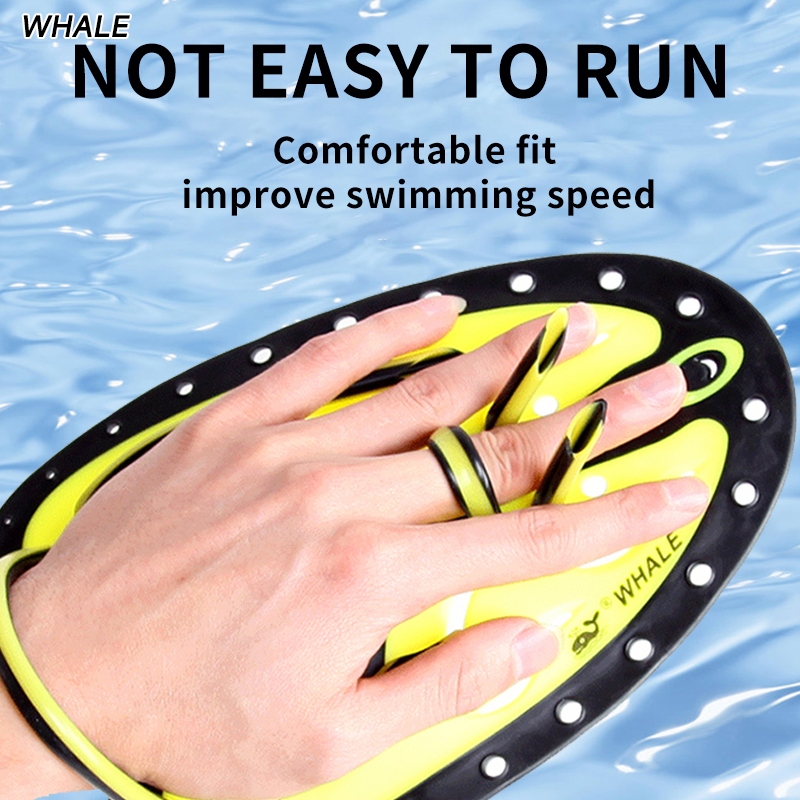
You should use silicone swimming hand fins strategically. They are a supplement to your training, not a replacement.
The 30/70 Rule for Skill Acquisition
Coaches suggest using fins for 30% of your total yardage. Use them during “drill sets” to focus on your catch. Then, switch to naked-hand swimming for the remaining 70%. This ensures you transfer the “feel” from the fins to your natural stroke.
Developing a “Power” Set
Use the fins for short, high-intensity sprints. This builds explosive power in your lats and chest. Focus on maintaining a clean entry and a powerful exit. The extra resistance makes your muscles work harder in every phase.
[Explore more low-impact swim training tools for injury recovery.]
Silicone Fins vs. Hard Plastic Paddles
| Feature | Hard Plastic Paddles | Silicone Swimming Hand Fins |
| Flexibility | None / Rigid | High / Natural |
| Joint Stress | High (Rotator Cuff) | Low (Shock-Absorbing) |
| Water Feel | Low (Deadened) | High (Tactile Feedback) |
| Durability | Prone to Cracking | Tear-Resistant |
| Best For | Pure Power Training | Technique + Safety |
Mastering the Water with Precision
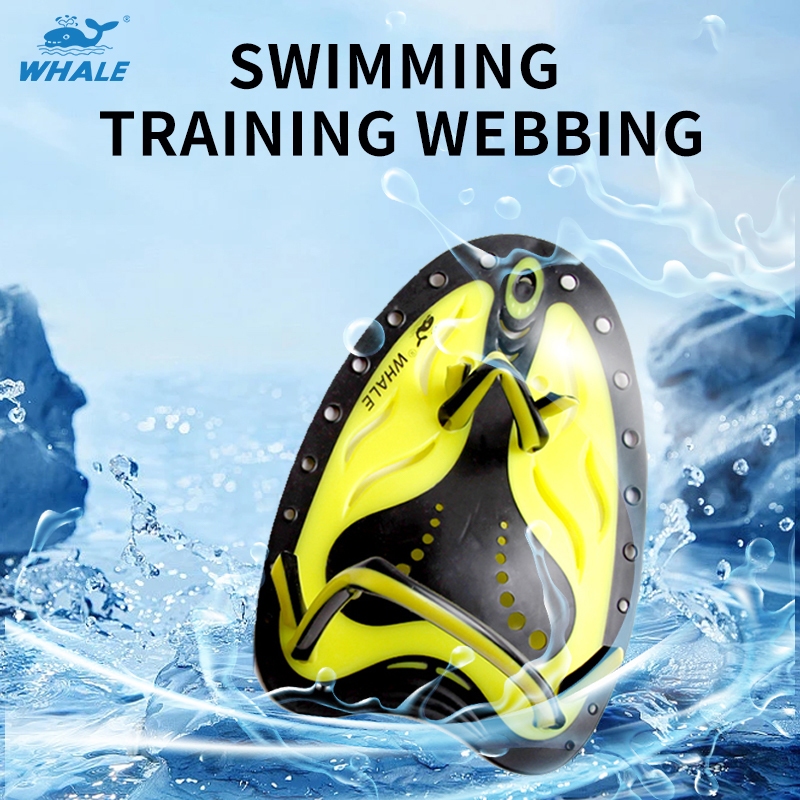
Swimming faster is about working smarter, not just harder. The silicone swimming hand fins offer a scientific way to improve. They enhance your water feel while protecting your vital joints. By increasing surface area, they teach you the value of a strong pull.
Embrace the flexibility of silicone in your next session. Focus on the pressure against your palms. Correct your elbow position and find your rhythm. With the right tools, you can unlock your true potential in the pool. Your journey to a more powerful stroke starts with a single pair of fins. Dive in and feel the difference today.