


Do Professional Training Swimming Fins Help Junior Swimmers Develop Better Body Position?

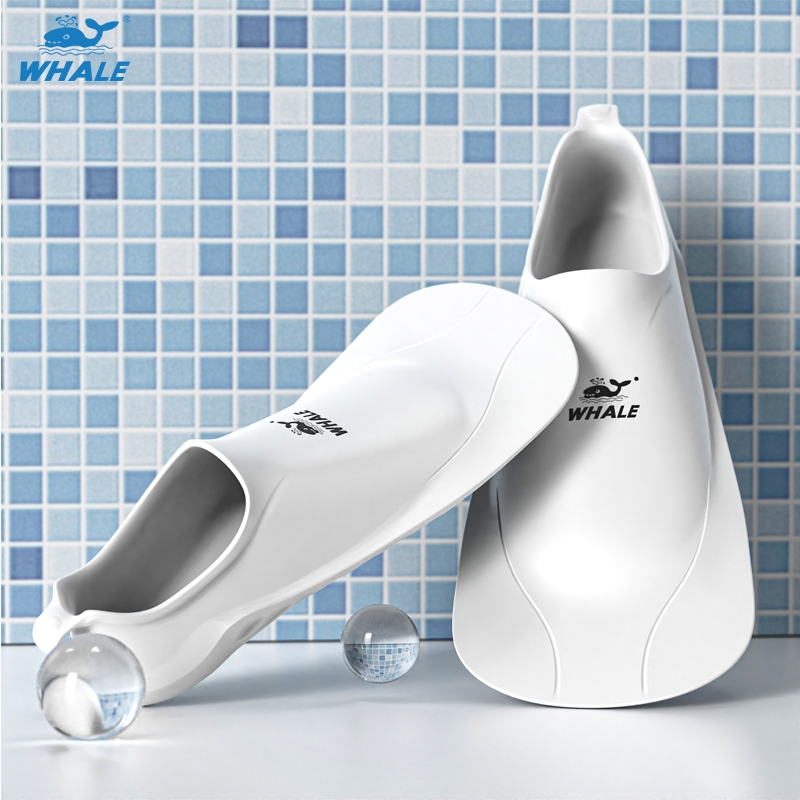
Swimming excellence depends heavily on one factor: hydrodynamics. For junior swimmers, maintaining a flat body position is often difficult. Their legs tend to sink, creating massive drag in the water. However, modern sports science offers a powerful solution for this issue. Professional training swimming fins act as a critical corrective tool.
These fins do more than just provide extra speed. They fundamentally change how a swimmer interacts with the water. In this article, we explore the biomechanics of fin use. We will see how they benefit both competitive swimming and diving. Let us analyze why these tools are essential for young athletes.
The Physics of Buoyancy and Body Alignment
In fluid mechanics, the “center of buoyancy” is vital. Junior swimmers often struggle with heavy, sinking hips. This happens because their kick lacks enough propulsive force. Consequently, their upper body angles upward, which slows them down.
Lifting the Hips Through Propulsion
Professional training swimming fins increase the surface area of the feet. This creates significantly more downward pressure during the kick. According to Archimedes’ principle, this force results in an upward lift. This lift brings the hips and legs to the surface. Therefore, the swimmer achieves a “streamlined” horizontal profile. This position is the foundation of all fast swimming.
Reducing Frontal Drag
When the body sits high, frontal drag drops significantly. Junior swimmers can feel what it is like to “glide” properly. This sensory feedback is crucial for their development. It teaches them the feel of an efficient, low-resistance stroke. They can then replicate this feeling even without the fins.

Biomechanical Benefits for Junior Athletes
Young bodies are still developing muscle and flexibility. Short-blade professional training swimming fins offer specific physical advantages.
-
Increased Ankle Flexibility: The extra resistance stretches the ankle joints gently.
-
Leg Power Development: Fins force the large muscle groups to work harder.
-
Improved Kick Frequency: Short blades allow for a natural, fast tempo.
-
Better Cardiovascular Conditioning: Swimmers can sustain high speeds for longer periods.
Developing the “Whip” Kick
Effective kicking requires a flexible, whip-like motion from the hip. Many beginners kick with “bicycle legs” or stiff knees. Fins provide immediate tactile feedback when the kick is wrong. If the knee bends too much, the resistance feels awkward. This encourages the junior swimmer to use their entire leg.
[Discover the best junior swim training gear for competitive club teams.]
Practical Case: Correcting Low-Hip Position in Freestyle
Let us look at a common case in a swim lab. A ten-year-old swimmer struggled with a 30-degree body tilt. This tilt caused her to tire out within 50 meters.
The “Horizontal Calibration” Experiment
The coach introduced professional training swimming fins for her main set. Within minutes, her hips rose to the water’s surface. This change allowed her to focus on her arm recovery. She stopped “climbing” the water to stay afloat. After four weeks, her “muscle memory” adapted to this high position. Her drag coefficients dropped by 15% in post-test trials.
Benefits for Diving and Breath-Hold Training
These principles also apply to junior skin diving. Fins allow for deeper descents with much less physical effort. This helps young divers conserve oxygen and stay calm. They can focus on their equalization and surroundings instead of kicking. It builds confidence in the water at a very early age.
[Read our guide on improving swim body position for long-distance events.]
Why Choose Professional Training Swimming Fins Over “Toy” Fins?
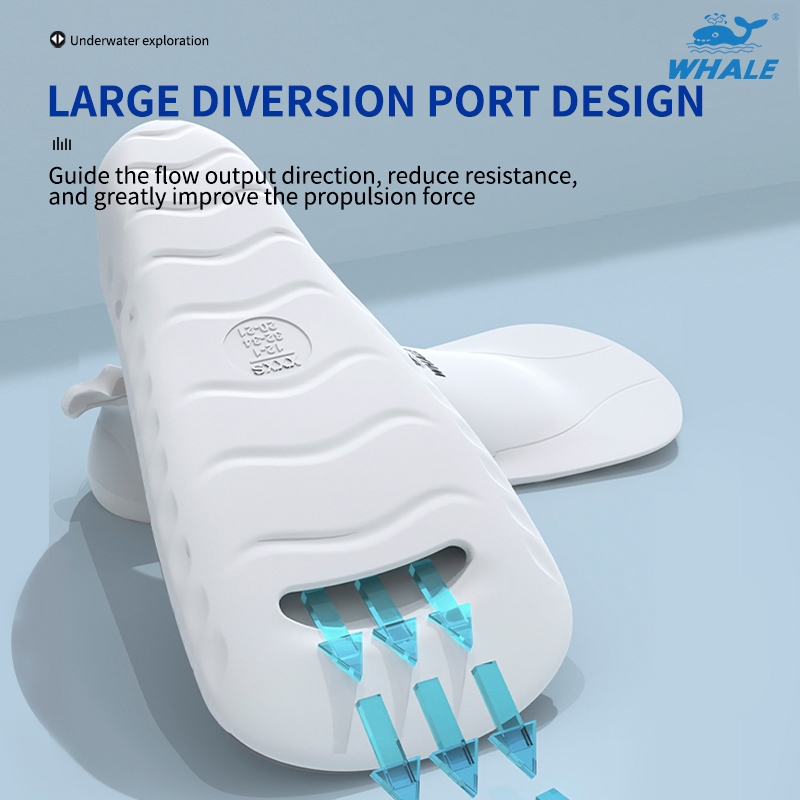
Not all fins are suitable for a training environment. Long, floppy fins are common in toy stores but can be harmful.
The Problem with Long Blades
Long blades create too much torque on young knees. They also force a very slow, unnatural kick rhythm. This can actually ruin a swimmer’s natural “tempo” for freestyle. Professional training swimming fins use a short-blade design. This design mimics the natural cadence of a competitive kick.
Material Science: Silicone vs. Rubber
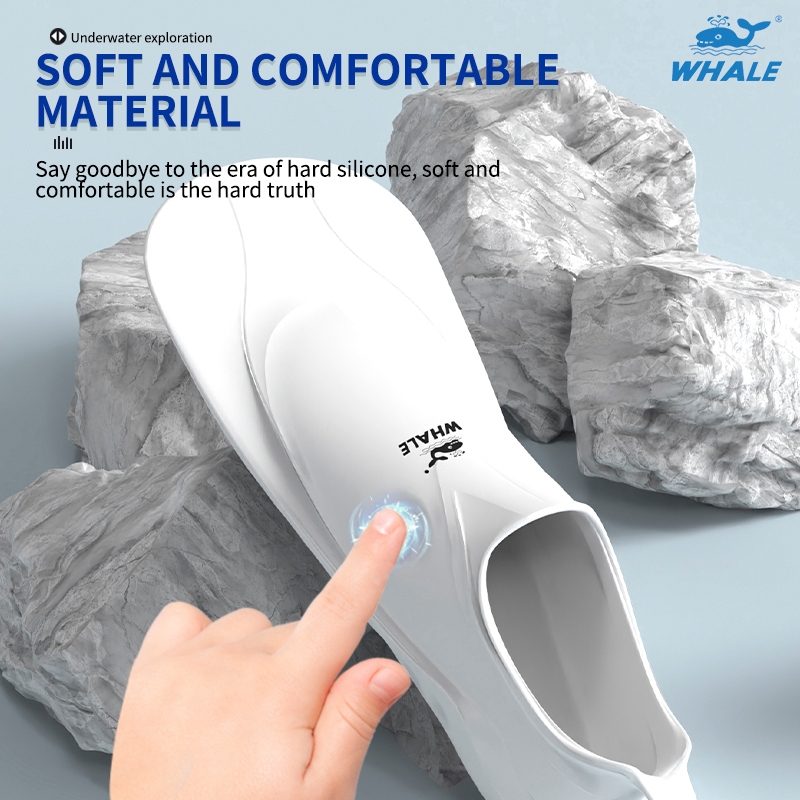
High-quality silicone fins are the gold standard today. Silicone is much softer on the skin than hard rubber. This prevents the “blisters” that often discourage young swimmers. Furthermore, silicone provides a consistent flex across different water temperatures. It ensures the resistance remains predictable during every practice session.
Strategic Training Tips for Young Swimmers
Coaches must use fins as a teaching tool, not a crutch. Balance is the key to long-term success in the pool.
1. The “Contrast” Method
Have the swimmer do 25 meters with fins. Then, have them do 25 meters without fins immediately. Ask them to focus on the “high hip” feeling. This contrast helps the brain “lock in” the correct posture.
2. Focus on the Up-Kick
Many juniors only kick downward. Fins make the “up-kick” much more noticeable. Encourage them to feel the water on the back of their legs. This creates a more balanced and powerful propulsive force.
Training Fins vs. Recreational Fins
| Feature | Recreational Long Fins | Professional Training Swimming Fins |
| Blade Length | Long and flexible | Short and reactive |
| Kick Tempo | Slow / Labored | Fast / Competitive |
| Main Goal | Casual snorkeling | Technique & Power |
| Body Position | Variable | High-Lift / Streamlined |
| Joint Safety | Potential knee strain | Ankle flexibility focus |
Investing in Better Technique
Speed is the result of good technique, not just effort. For junior swimmers, professional training swimming fins are essential. They solve the problem of sinking legs and high drag. They build the specific strength needed for a world-class kick.
By lifting the hips, these fins reveal the path to efficiency. They help young athletes feel the joy of “gliding” through the water. Do not let your swimmer struggle with poor body position. Give them the tools to master their alignment early. The future of their swimming career starts with the right fins today.